Can You Eat Edibles While Pregnant?
Healthy Pregnancy
The growing popularity of marijuana and its derivatives has spurred significant interest in its effects on various aspects of health and wellness. With the rise of legal
Read Full Article
 Testing....
The hormone shifts that come with pregnancy can bring issues like acne with it. Many women try to opt for natural alternatives when problems like these come up, and tea tree oil is one of the most commonly used remedies for skin issues. But there are still a few things you need to keep in mind to make sure you’re minimizing risk.
Tea tree oil is an essential oil obtained by steaming the leaves of the tea tree Melaleuca alternifolia, a plant native to Australia. Known as melaleuca oil or tea tree essential oil, people commonly apply it to the skin for its believed ability to kill germs and fungi, using it to help treat conditions such as acne, athlete's foot, lice, nail fungus, and insect bites.
The oil is sold as a pure liquid or added to skin care products like soaps, creams, body washes, and lotions. It should never be swallowed, as even small amounts can be toxic and cause serious symptoms.
Tea tree oil is usually safe during pregnancy when you dilute it properly with a carrier oil and use it topically, like for acne or skin irritation.
One lab study tested it on human placental cells at levels similar to normal topical use. It caused only a mild rise in one pregnancy hormone (human placental lactogen) at the highest dose, with no cell death, no serious toxicity, and no strong hormone disruption. The researchers called it more of a gentle modulator than something harmful [*].
That said, this was just a cell study, not research on real pregnancies, so human data is still limited. Play it safe: avoid it especially in early pregnancy, never swallow it (it's toxic if ingested), and check with your doctor before using it.
Because of its antibiotic properties, tea tree oil is a great way to help with some common skin issues. Here are just a few problems that it can help clear up:
Tea tree oil is a great natural option for fighting acne thanks to its strong antibacterial, anti-inflammatory, and antioxidant powers. It comes from the leaves of the Melaleuca alternifolia plant, and its key compound, terpinen-4-ol, targets acne-causing bacteria like Cutibacterium acnes by damaging their cell membranes and slowing their growth. It also calms the inflammation behind red, swollen pimples like papules and pustules.
Multiple human studies, including randomized controlled trials, show that diluted tea tree oil gels (usually around 5%) significantly reduce inflammatory lesions, lower total acne spots, and improve overall severity in 6 to 12 weeks. People often see better tolerance with less dryness or irritation than with benzoyl peroxide. In one key study on mild to moderate acne, users had a 40-47% drop in inflammatory lesions and handled it well [*].
Results vary by product and person, but when used properly diluted, tea tree oil is a reliable plant-based choice for clearer skin.
Tea tree oil is a go-to natural fix for fungal infections like athlete's foot, thanks to its powerful antifungal action. It comes from the leaves of the Melaleuca alternifolia plant, and its star ingredient, terpinen-4-ol, attacks fungal cells by damaging their membranes and stopping them from growing.
Studies show it works well against fungi like Candida (which hits skin and nails) and the dermatophytes behind athlete's foot. In diluted gels or solutions, it cuts fungal activity and often matches or teams up nicely with standard treatments like ketoconazole [*].
For athlete's foot, most people apply a diluted version (around 5-10%) straight to clean, dry feet twice a day. It helps ease itching, redness, and flaking while knocking out the fungus. It's also useful for other common issues like ringworm or jock itch.
Applying tea tree oil to the skin can support healing of cuts and wounds thanks to its strong antibacterial properties that help fight off common infection-causing bacteria like Staphylococcus aureus, including MRSA strains.
Sourced from Melaleuca alternifolia leaves, the oil's key ingredient terpinen-4-ol, breaks down bacterial cell membranes and limits their growth on open areas, which can prevent or clear bacterial buildup that slows down recovery [*].
When used externally in the correct amount, tea tree oil poses little risk. If you ingest it or apply it improperly, you do run the risk of some potential side effects.
Tea tree oil is poisonous when taken by mouth, even in small amounts. Just a teaspoon or less of pure tea tree oil can lead to serious adverse effects or, in rare instances, life-threatening complications if swallowed or aspirated into the lungs.
Documented symptoms from ingestion cases include vomiting, ataxia (impaired coordination and difficulty walking), extreme drowsiness, central nervous system depression, and, in severe case,s it can even lead to a coma [*].
Tea tree oil is intended solely for diluted topical application on the skin. If you accidentally ingest any tea tree oil during pregnancy, contact poison control immediately at 1-800-222-1222 and seek urgent medical attention.
Tea tree oil can cause skin irritation when it is used improperly, especially when applied undiluted or in high concentrations.
Research shows that tea tree oil can trigger irritant or allergic contact dermatitis, leading to redness, itching, burning, swelling, or dryness of the skin. These reactions are more likely with neat (undiluted) oil, frequent application, or use of old or improperly stored oil [*].
To reduce these risks, tea tree oil should be diluted appropriately and used in well-formulated products rather than applied directly to the skin.
Using old or expired tea tree oil can come with some real downsides, mainly because its key compounds (those terpenes) break down over time when exposed to air, light, or moisture. Once that happens, it loses a lot of its helpful qualities and can become more irritating to your skin. This can leave your skin with redness, flare-ups of acne, itchiness, or even a rash [*].
If you’re unsure if a bottle of tea tree oil has gone bad, you can usually tell because it’ll have a harsh smell instead of the fresh, clean scent you're used to.
Getting tea tree oil in your eyes can be really painful and risky. It's known to cause corneal damage, like scratches or defects on the eye's surface that lead to irritation, discomfort, redness, and potential vision issues. Even small amounts from accidental splashes or improper use (like high-concentration applications near the eyes) can irritate the delicate eye tissues, and stronger exposures have been linked to more serious epithelial damage [*].
Always keep it far from your face during application, and if any gets in, rinse your eyes thoroughly with water right away and seek medical help if the pain or blurriness sticks around.
If you’re trying to avoid any potential risks that come with tea tree oil use, here are a few ways that you can make sure that you’re using it safely:
Many moms-to-be deal with pregnancy acne thanks to those wild hormone shifts, and tea tree oil can be a gentle, natural option to help calm it down.
When properly diluted (like mixing a small amount, around 5% or less, with something soothing like aloe vera gel or a carrier oil), it's often seen as okay for topical use during pregnancy.
It fights bacteria and reduces inflammation, which can help clear up spots, and it tends to be milder than stuff like benzoyl peroxide, working a bit slower but with less chance of drying out or irritating your skin [*].
Tea tree oil is generally considered safe for topical use on your nails during pregnancy when properly diluted and applied sparingly to fight nail fungus.
Topical tea tree oil products appear safe during pregnancy and while breastfeeding, with no major concerns for limited, external application. It can be a great way to fight toenail fungus, but if you’re applying it to your fingernails, be sure to avoid preparing any food or touching your mouth and eyes. It’s toxic when ingested, and just a little bit can irritate your eyes [*].
Even though tea tree oil is a great way to treat common problems like acne breakouts or fungal infections, some people don’t care for its strong smell, or have allergic reactions to it. Here are a few pregnancy-safe alternatives you can try out if you’d prefer to avoid tea tree oil.
Tea tree oil is generally safe to use on your skin during pregnancy as long as you dilute it properly (around 5% or less mixed with a carrier oil like coconut or jojoba) and apply it only to small areas for things like acne, fungal infections, or minor cuts.
That said, there aren't many studies done directly on pregnant women, so it's smart to be extra careful. Never swallow it, skip undiluted oil, and toss any old or oxidized bottles since they can irritate skin more.
Always do a patch test first, use fresh high-quality oil, keep it away from your eyes and mouth, and talk to your doctor before trying it to make sure it's right for your pregnancy..
MiracleCord provides advanced umbilical cord blood stem cell banking at competitive prices. Stem cell treatments are already helping patients with over 80 serious diseases and conditions, with many more potential applications being explored in ongoing clinical trials.
Find out why MiracleCord was named the Best U.S. Cord Blood Bank by Global Health & Pharma. Download our complimentary information kit or call us at 888.743.2673 to learn more about how we can help you prepare for your family’s future.
DISCLAIMER: THE INFORMATION ON THIS WEBSITE IS NOT INTENDED TO BE USED AS MEDICAL ADVICE.The materials and information contained on the MiracleCord website is provided for educational and informational purposes only, and is not intended to, and does not constitute, medical or other health advice or diagnosis, and should not be used as such. You should not use this information to diagnose or treat a health problem or disease. If you are seeking personal medical advice, you should consult with a licensed physician. Always consult with a qualified health care provider regarding a medical condition.

The growing popularity of marijuana and its derivatives has spurred significant interest in its effects on various aspects of health and wellness. With the rise of legal
Read Full Article
When you are pregnant, you’ll likely have many questions about what you can do to prepare for your baby’s arrival. One of those questions may be, “Can you pump before giving birth?”
Read Full Article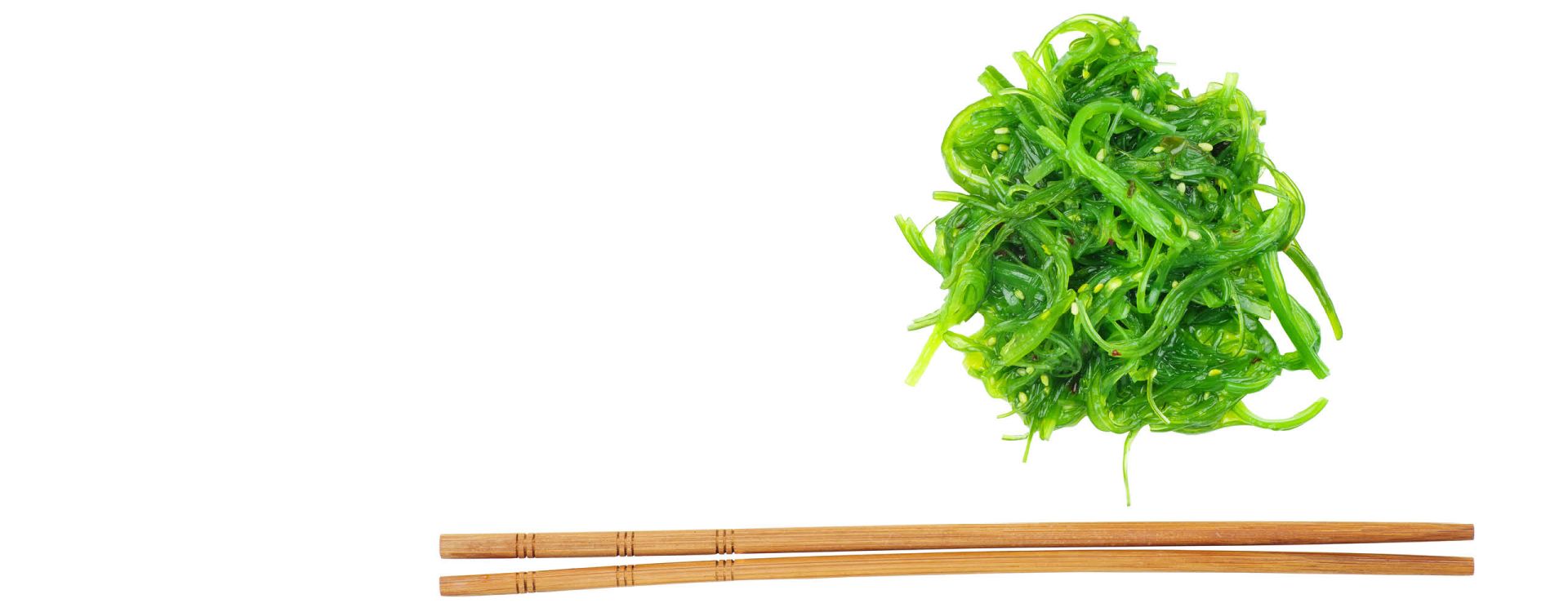
Pregnancy brings a lot of joy, but it also comes with a myriad of questions about what’s safe to eat. One common question is: Can pregnant women eat seaweed? This n
Read Full Article