Can You Eat Edibles While Pregnant?
Healthy Pregnancy
The growing popularity of marijuana and its derivatives has spurred significant interest in its effects on various aspects of health and wellness. With the rise of legal
Read Full Article
 Testing....
Pregnancy brings lots of questions about what’s safe to drink, and black tea is a common one. It’s a flavorful, everyday choice with a bold taste, but many expectant moms wonder if the caffeine, tannins, and other compounds make it something to limit or skip.
Black tea comes from the leaves of the Camellia sinensis plant, the same source as green, white, and oolong teas. What sets it apart is the processing: the leaves are fully oxidized, giving black tea its robust flavor, dark color, and higher caffeine content compared to less processed varieties. Popular blends include English Breakfast, Earl Grey (infused with bergamot oil), and Darjeeling.
Caffeine levels in black tea vary based on brewing time, tea type, and serving size, but a standard 8-ounce cup typically contains 47 milligrams. For comparison, that’s about half the caffeine in a cup of coffee (around 95 mg). Factors like steeping duration influence this: a 3-minute brew yields less caffeine than a 15-minute one. Loose leaf black tea might have slightly lower levels than bagged varieties due to particle size [*][*][*].
Yes, a couple of cups of black tea every now and then won’t pose any serious risks to you or your baby. However, it is important to limit your intake of black tea during pregnancy. Even though its caffeine content isn’t as high as a cup of coffee or an energy drink, overconsumption of black tea can raise your daily caffeine levels beyond a safe point [*].
The American College of Obstetricians and Gynecologists recommends keeping caffeine under 200 mg per day. Caffeine crosses the placenta and can affect the mother's stress hormones, which may impact the baby. While moderate intake (under 200 mg a day) shows no strong link to miscarriage, preterm birth, or major growth issues, regularly drinking lots of strong black tea (which has about 40 to 70 mg of caffeine per 8-ounce cup) can easily push your total caffeine intake too high [*].
Since high caffeine intake during pregnancy can potentially harm your baby, it’s best to limit the amount of black tea you drink, or opt for a decaffeinated alternative like ginger or peppermint tea [*].
Black tea isn’t just popular because of its flavor. It also has a handful of health benefits that come with drinking it regularly in moderation.
Regular black tea consumption (≥3 cups/day) is linked to reduced risk of coronary heart disease (CHD), improved endothelial function (better blood vessel dilation), lower blood pressure (by 1-2 mmHg systolic/diastolic in meta-analyses of RCTs), and decreased stroke risk. These effects stem from antioxidant and anti-inflammatory actions that combat oxidative stress and atherosclerosis [*].
Drinking black tea provides strong antioxidant and anti-inflammatory benefits thanks to its rich polyphenols. These natural compounds help neutralize harmful free radicals in the body, boost overall antioxidant levels in the blood, and reduce markers of inflammation such as C-reactive protein, especially in people with conditions like type 2 diabetes.
Clinical trials show that regular black tea consumption can improve these protective effects, often by supporting a healthier gut microbiome that further lowers inflammation [*].
Black tea is full of natural compounds called theaflavins. These powerful antioxidants in black tea have been shown in studies to help fight inflammation and support better metabolism.
For example, research on animals fed high-fat diets found that theaflavins helped reduce excess weight gain, lower harmful inflammation throughout the body, and improve gut health by encouraging friendly bacteria. They also boosted energy-burning processes in fat tissue [*].
Although drinking a couple of cups of black tea every now and then doesn’t pose any major risks to you or your baby, regularly drinking large amounts can have some effects on your body and your baby.
Drinking excessive black tea during pregnancy can pose risks to the baby, mainly because of its high caffeine content, with an average cup containing about 47 mg.
Caffeine crosses the placenta easily and lingers longer in the fetal system, leading to increased fetal heart rate and breathing rate, as well as stronger uterine contractions that may raise the chance of miscarriage or spontaneous abortion. High intake is also linked to reduced fetal growth, lower birth weight, and in some cases, a higher risk of pre-eclampsia later in pregnancy.
Health experts recommend limiting total caffeine to under 200 mg per day (roughly 4 cups of black tea), as going well beyond this can amplify these potential effects [*].
Drinking an excessive amount of black tea during pregnancy can raise concerns because of its high tannin content. Tannins bind to iron in your digestive system and block a lot of it from being absorbed.
Pregnancy already demands extra iron to support more blood volume and your baby's growth, so too much black tea can make iron-deficiency anemia worse. That may lead to tiredness, weakness, or other issues if anemia gets severe [*].
Decaf black tea is generally considered safe during pregnancy, even though it often still has a little bit of caffeine in it. Decaf black tea also still contains tannin, but as long as you drink it in moderation, you should be able to avoid any side effects [*].
Earl Grey is a popular blend of tea that’s made by combining black tea and bergamot orange extract. Since it uses black tea as a base, it will still contain the same amounts of caffeine and tannin. So it’s safe to enjoy in moderation, but just be careful not to overdo it to avoid any potential risks [*].
If you’re craving a hot cup of tea, but don’t want the caffeine from black tea, there are plenty of decaffeinated alternatives you can try instead. These are just a few:
Yes, you can safely enjoy black tea during pregnancy in moderation, but you should opt for a decaffeinated alternative if you can.
A couple of cups offer pleasant flavor and some antioxidant perks from polyphenols. However, drinking large amounts regularly can push caffeine too high, potentially raising risks like reduced fetal growth, lower birth weight, or (in very high doses) miscarriage.
The tannins in black tea can also interfere with iron absorption, which is extra important during pregnancy when your body needs more iron.
MiracleCord provides advanced umbilical cord blood stem cell banking at competitive prices. Stem cell treatments are already helping patients with treatments for over 80 serious diseases and conditions, with many more potential applications being explored in ongoing clinical trials.
Find out why MiracleCord was named the Best U.S. Cord Blood Bank by Global Health & Pharma. Download our complimentary information kit or call us at 888.743.2673 to learn more about how we can help protect your family’s health.
DISCLAIMER: THE INFORMATION ON THIS WEBSITE IS NOT INTENDED TO BE USED AS MEDICAL ADVICE.The materials and information contained on the MiracleCord website is provided for educational and informational purposes only, and is not intended to, and does not constitute, medical or other health advice or diagnosis, and should not be used as such. You should not use this information to diagnose or treat a health problem or disease. If you are seeking personal medical advice, you should consult with a licensed physician. Always consult with a qualified health care provider regarding a medical condition.
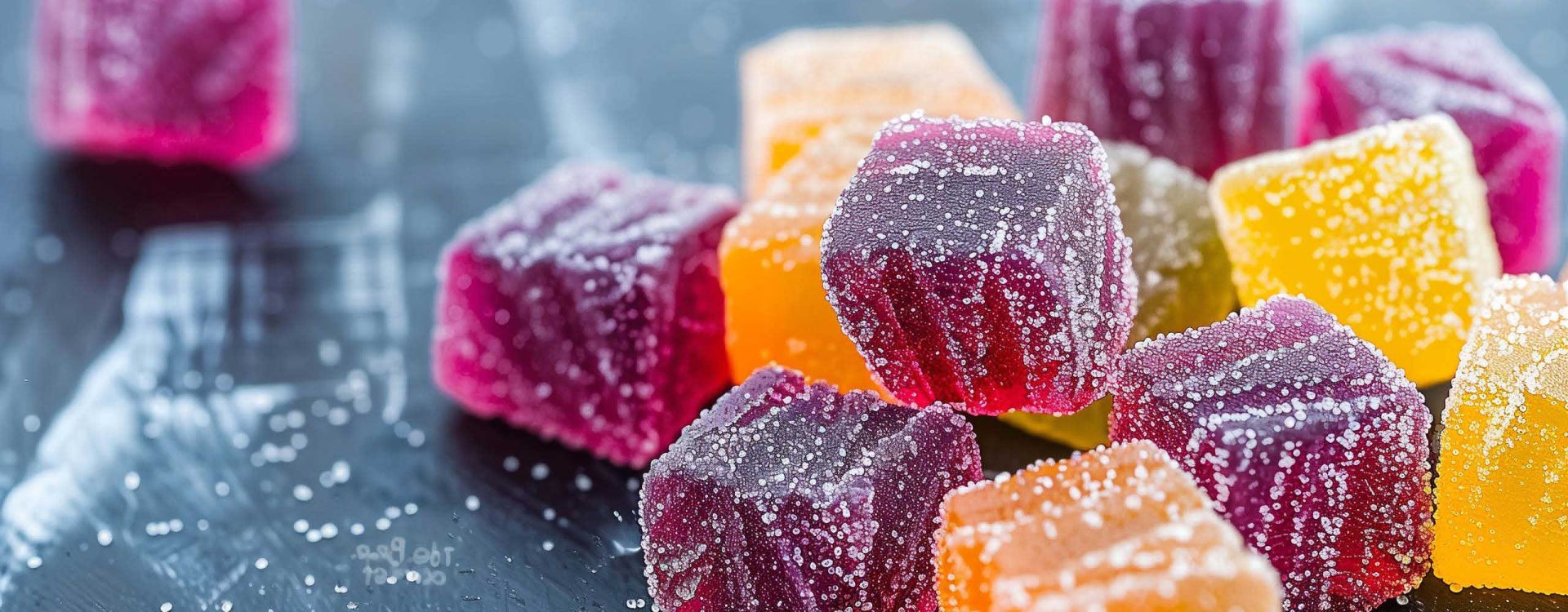
The growing popularity of marijuana and its derivatives has spurred significant interest in its effects on various aspects of health and wellness. With the rise of legal
Read Full Article
When you are pregnant, you’ll likely have many questions about what you can do to prepare for your baby’s arrival. One of those questions may be, “Can you pump before giving birth?”
Read Full Article
Pregnancy brings a lot of joy, but it also comes with a myriad of questions about what’s safe to eat. One common question is: Can pregnant women eat seaweed? This n
Read Full Article