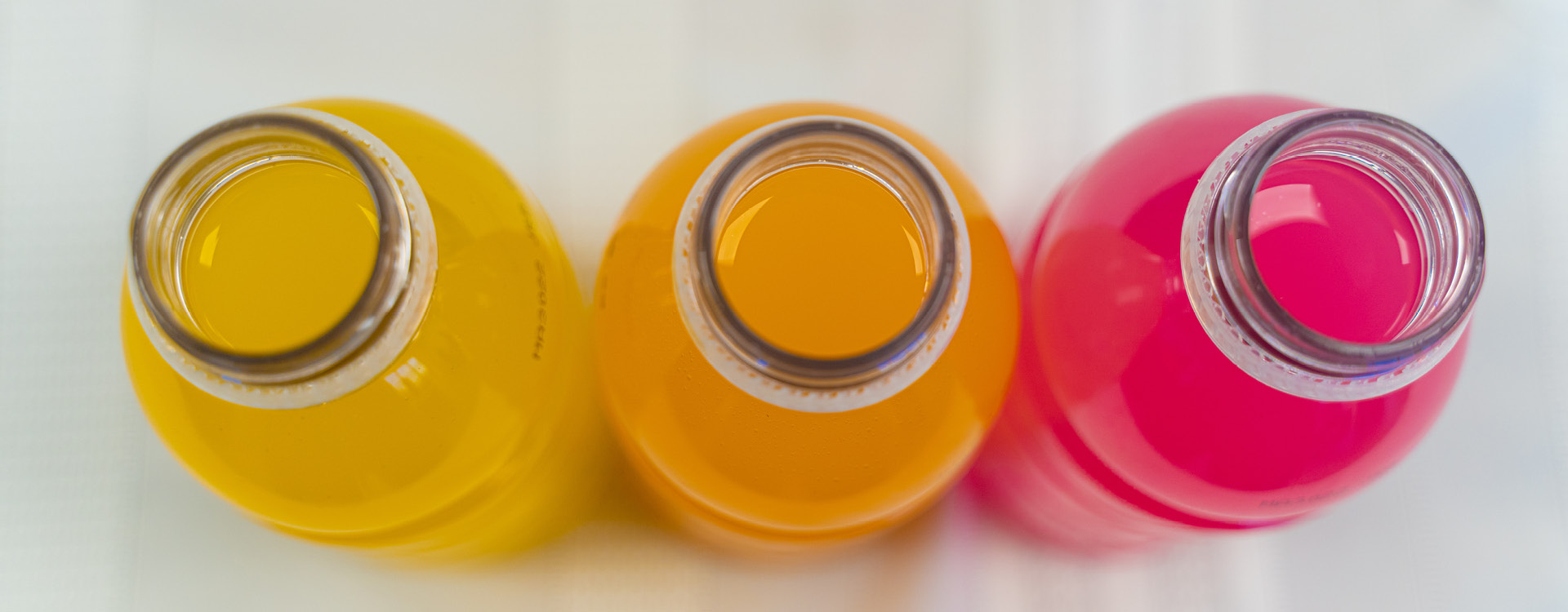
If you’re pregnant, you’ve probably heard about the glucose test that’s typically offered around weeks 24–28. This test screens for gestational diabetes, a condition where your body has trouble processing sugar during pregnancy [*]. While the test itself is important, not every mom-to-be is thrilled about drinking the bright-orange Glucola solution that comes with it.
If you’ve been wondering whether there are glucose test alternatives or more natural options, the answer is yes. More providers are becoming open to glucose drink alternatives — and while not every hospital or clinic will approve them, knowing what’s available helps you make an informed choice.
This article breaks down what the glucose test is, why some women look for Glucola alternatives, and the different options you can bring up with your provider. By the end, you’ll feel prepared to talk with your healthcare team and confident about your decision.
What Is the Glucose Test?
The glucose test, sometimes called the glucose tolerance test, glucose challenge test, or glucose screening test, is designed to see how your body processes sugar [*]. Gestational diabetes can affect anyone — even those with no history of blood sugar problems — so it’s a standard part of prenatal care [*].
Here’s how it usually works [*]:
- Step 1: You drink a sweetened beverage containing a precise amount of glucose (usually 50 grams).
- Step 2: After one hour, your blood sugar is measured with a blood draw.
- Step 3: If your result is above a certain threshold, you may need the 3-hour glucose tolerance test, which involves fasting, multiple blood draws, and a larger glucose dose.
Gestational diabetes can increase risks like high birth weight, preterm labor, preeclampsia, and delivery complications [*]. For the baby, unmanaged high blood sugar can mean low blood sugar after birth or a higher chance of obesity later in life [*].
The test itself is simple — but the drink, and how it makes some people feel, is what leads many parents to start searching for natural glucose test options.
Why You May Want a Glucose Test Alternative
While many moms go through the test without issue, others prefer exploring alternatives to the glucose test during pregnancy for a few key reasons:
- Artificial Ingredients: Standard Glucola drinks often contain artificial dyes, preservatives, and flavorings. Some moms-to-be avoid these for health or personal reasons and look for a natural alternative to the glucose drink [*].
- Digestive Side Effects: Common complaints include nausea, bloating, dizziness, and even vomiting. For those already dealing with morning sickness or food sensitivities, the test can feel overwhelming [*].
- Dietary Preferences or Restrictions: People who follow dye-free, organic, or “clean eating” lifestyles often seek glucose drink alternatives that align better with their values [*].
- Medical Conditions: Some women have trouble tolerating the drink due to conditions like gastric bypass surgery or severe hyperemesis. In those cases, glucola alternatives may be medically necessary [*][*].
- Desire for a Natural Approach: Many parents today prefer to limit synthetic additives in pregnancy. The idea of a natural glucose test feels safer and more in line with their personal care goals [*].
7 Glucose Test Alternatives to Consider
If you’re curious about what your options might look like, here are some of the most common glucose test alternatives to discuss with your provider:
1. Dye-Free Glucola
For those who don’t mind the traditional method but want to skip the artificial coloring, dye-free Glucola is a simple solution [*].
- Pros: Same accuracy as the standard test; widely accepted by providers.
- Cons: Still a processed glucose syrup, just without dyes.
This option is often the easiest switch since it doesn’t change the test itself — it just eliminates some of the unnecessary additives.
2. The Fresh Test
The Fresh Test is one of the most popular natural alternatives to the glucose drink. It’s made with non-GMO cane sugar, real flavoring, and no synthetic dyes [*].
- Pros: More natural ingredients; easier on digestion; already recognized by many OBs and midwives.
- Cons: May cost more and isn’t available at every practice.
For moms who want a natural glucose test, this is a strong option that bridges the gap between conventional testing and clean ingredients.
3. Jelly Beans
Yes, jelly beans! Some providers allow them in place of the Glucola drink — as long as the equivalent sugar dose is consumed (about 28 jelly beans equals 50 grams of glucose) [*].
- Pros: Tastes better, more familiar, easier to tolerate.
- Cons: Not standardized across all brands; some providers won’t accept them.
This is one of the most commonly requested Glucola alternatives, but you’ll need to double-check whether your practice allows it.
4. Blood Sugar Monitoring
Instead of a one-time drink, some providers allow you to test your blood sugar at home several times a day for a week or longer. You’ll track fasting levels and post-meal spikes [*].
- Pros: Offers a realistic picture of how your body handles sugar on a daily basis.
- Cons: Involves frequent finger pricks and consistent logging; more time-consuming.
For women who truly can’t tolerate the drink, this alternative to the glucose test during pregnancy is often considered the most accurate natural substitute.
5. Hemoglobin A1c Test
This test measures your average blood sugar levels over the past 2–3 months. While it’s a common tool outside of pregnancy, it’s sometimes used as a natural glucose test option [*].
- Pros: Simple blood draw; no sugary drink required.
- Cons: Not as sensitive in detecting gestational diabetes; not all providers rely on it during pregnancy.
This option may be best suited for those who prefer a quick, low-intervention screening but still want to discuss accuracy with their provider.
6. Fasting Plasma Glucose Test
Instead of drinking anything, you fast and then have your blood drawn. This checks your baseline glucose levels [*].
- Pros: No artificial drinks; straightforward test.
- Cons: May miss blood sugar spikes that show up only after meals.
This is sometimes offered as an alternative to glucose drink testing, but it isn’t as widely accepted as the one-hour challenge.
7. Food-Based Substitutes (Juice, Candy, Fruit)
Some moms wonder if they can just drink orange juice, eat dates, or use candy as a stand-in. While this idea is popular, not all providers allow it because natural foods vary in sugar content [*].
- Pros: Familiar foods; avoids artificial additives.
- Cons: Harder to control exact glucose dose; usually only allowed if your provider approves.
This can be a flexible choice for moms who value natural ingredients, as long as their healthcare provider agrees on the method and portion size.
Is There an Alternative to the 3-Hour Glucose Test?
If your one-hour test comes back high, the standard next step is the 3-hour test. Unfortunately, alternatives to the 3-hour glucose test are more limited [*].
Some providers may allow extended at-home blood sugar monitoring as a replacement. This can be helpful if you can’t tolerate multiple glucose drink doses. Still, it’s important to understand that the 3-hour test remains the “gold standard” in many practices, so substitutions may not always be accepted [*].
Glucose Test FAQ
Why are people against the glucose test?
Concerns usually center around artificial ingredients, side effects like nausea, and lack of natural choices [*].
Can you refuse the glucose test during pregnancy?
Yes, you can. But your provider will likely recommend an alternative to glucose drink testing to make sure gestational diabetes isn’t missed [*].
What is in the glucose drink?
Water, glucose syrup, citric acid, preservatives, and often artificial dyes and flavors.
Is Glucola just sugar water?
Yes, but it’s carefully measured for a precise glucose dose.
What food is equivalent to a glucose test?
Jelly beans and orange juice have been used — but only if your provider approves [*].
Are jelly beans an alternative to Glucola?
Yes, some practices allow them as a Glucola alternative [*].
What foods make you fail a glucose test?
There isn’t a specific food that makes you “fail.” It depends on how your body processes sugar [*].
Does Glucola affect the baby?
The drink itself is not harmful in the short term. The real risk comes from untreated gestational diabetes, which is why testing is important [*].
The Bottom Line
The glucose test is an important tool for protecting you and your baby’s health, but you don’t have to settle for the standard Glucola drink. More moms are now asking about natural, science-backed alternatives — and many providers are offering safe options.
Whether you’re interested in a dye-free formula like The Fresh Test or a more lifestyle-based approach, such as at-home blood sugar monitoring, there’s likely a solution that fits your needs.
The most important step is to talk openly with your provider. Policies vary, and not every practice allows substitutes like jelly beans, orange juice, or an A1c test. Starting that conversation shows you’re engaged in your care and helps you make the decision together.
In the end, whether you choose the traditional test or a natural option, what matters most is detecting gestational diabetes early — so you can take steps to manage it and help both you and your baby thrive.
About MiracleCord
At MiracleCord, we believe pregnancy should be about empowerment, choice, and peace of mind. Just as you may be exploring glucose test alternatives to better align with your health values, you also deserve options when it comes to your baby’s future health.
That’s why we specialize in cord blood and cord tissue banking — a once-in-a-lifetime opportunity to preserve powerful stem cells at birth. These cells have been used in the treatment more than 80 diseases, including certain cancers, immune disorders, metabolic disorders and blood disorders, and research continues to expand their potential.
Choosing a natural glucose test or glucose drink alternatives is about caring for your body today. Choosing to preserve your baby’s stem cells is about caring for their future. MiracleCord is here to guide you through both — providing trustworthy education, advanced technology, and personalized support every step of the way.
Request your free information kit today, or call 888.743.2673 for personalized support tailored to your family’s needs.
DISCLAIMER: THE INFORMATION ON THIS WEBSITE IS NOT INTENDED TO BE USED AS MEDICAL ADVICE.The materials and information contained on the MiracleCord website is provided for educational and informational purposes only, and is not intended to, and does not constitute, medical or other health advice or diagnosis, and should not be used as such. You should not use this information to diagnose or treat a health problem or disease. If you are seeking personal medical advice, you should consult with a licensed physician. Always consult with a qualified health care provider regarding a medical condition.